
In a world where children are bombarded with screens and distractions, a Montessori book shelf stands as a beacon of hope for fostering a love of reading. Imagine a space where books are not just stacked but displayed like treasures waiting to be discovered. This isn’t just any shelf; it’s a carefully curated collection designed to empower young minds and spark curiosity.
Picture this: a child confidently selecting their next adventure, all thanks to a well-organized, accessible book shelf. With the right setup, kids can explore stories that ignite their imaginations. A Montessori book shelf isn’t just furniture; it’s a gateway to endless possibilities, encouraging independence and creativity. So, let’s dive into the wonders of this magical shelf and see how it can transform reading time into a delightful journey.
What Is a Montessori Book Shelf?
A Montessori book shelf serves as a fundamental tool in cultivating children’s reading habits. Designed to be low and accessible, these shelves encourage independence and allow children to select books based on their interests. Accessibility plays a crucial role in promoting exploration and engagement with literature.
Simple, open displays invite young readers to interact with books easily. Unlike traditional bookshelves, these curated spaces align with Montessori principles by emphasizing choice and self-directed learning. Each shelf typically showcases a variety of genres, ensuring children discover diverse stories and themes.
Books face forward on the shelf, making titles and illustrations visible. This setup engages children visually and sparks curiosity. With this visual appeal, kids can quickly identify what interests them, leading to increased reading time and enjoyment.
Incorporating a variety of formats, such as picture books and chapter books, enhances this resource’s effectiveness. Children develop a sense of ownership over their reading selections, boosting their confidence and creativity.
Maintaining an organized bookshelf contributes to the overall learning environment. Regularly rotating books keeps the collection fresh, inspiring continuous exploration.
Implementing a Montessori book shelf creates an inviting space where reading becomes a cherished activity. Understanding its role in enriching childhood experiences solidifies its importance in fostering a love for literature.
Benefits of a Montessori Book Shelf
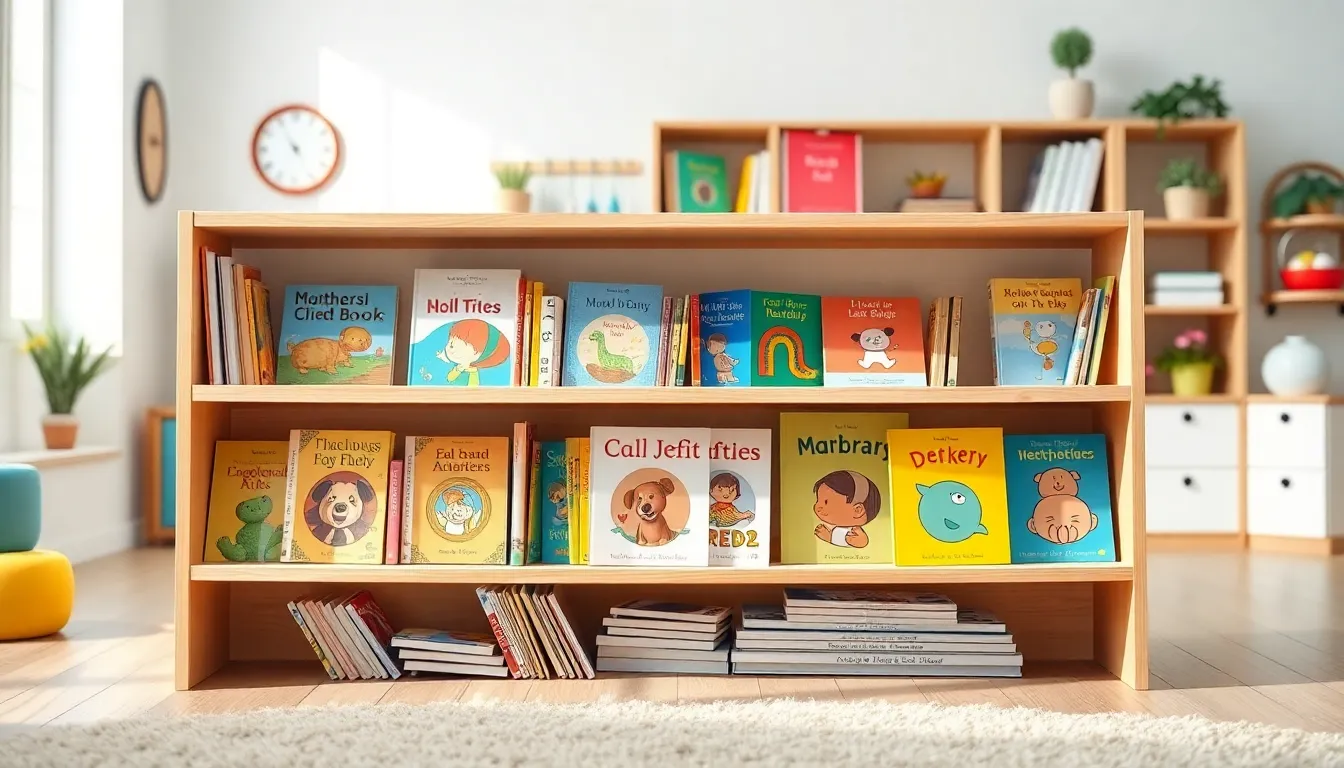
A Montessori book shelf offers numerous advantages that enhance a child’s reading experience. This unique shelving design supports both independence and organization.
Encouraging Independence
Children select their own books from a Montessori book shelf, fostering autonomy in their reading choices. They’re naturally drawn to explore various genres, cultivating a sense of ownership over their educational journey. Low and accessible shelving structures invite children to reach for books, promoting self-directed learning. By allowing them to decide what to read, kids develop confidence in their preferences, making reading a personal adventure. They gain valuable decision-making skills as they navigate through stories and themes that resonate with them.
Promoting Organization
An organized Montessori book shelf creates a pleasant environment that encourages reading. Properly arranged books help children understand categorization and sorting concepts. Displaying books face-forward not only enhances visibility but also makes selection easy, supporting independent exploration. Maintaining an uncluttered space benefits both children and caregivers by making it simple to locate specific titles. Regularly rotating books keeps the selection fresh, encouraging ongoing interest and engagement with literature. This structured approach nurtures an early appreciation for organization that extends beyond reading into other areas of life.
Choosing the Right Montessori Book Shelf
Selecting a Montessori book shelf involves considering several factors. The right choice enhances both functionality and aesthetics for children.
Size and Dimensions
Size plays a crucial role in the effectiveness of a Montessori book shelf. Shelves should be about 36 inches in height, allowing children easy access to their books. Width matters too; a space of 24 to 36 inches is ideal for displaying multiple titles without overcrowding. Depth, typically between 6 and 12 inches, ensures books stay upright and within reach. Low shelving encourages independence, enabling children to freely choose their reading material. Positioning shelves near reading nooks enhances engagement, creating inviting spaces for exploration.
Material and Durability
Material choice significantly influences the longevity of a Montessori book shelf. Solid wood remains a popular option due to its sturdiness and timeless appeal. Particleboard or plywood can also work, offering lightweight solutions when crafted well. Non-toxic finishes ensure safety, making it suitable for children’s environments. Durability ensures shelves withstand everyday use, supporting a variety of book sizes and weights. Opting for rounded edges adds safety while enhancing the overall aesthetic of the shelf. Investing in quality materials ensures a lasting resource in nurturing a child’s love for reading.
Organizing Books on a Montessori Book Shelf
Organizing books on a Montessori book shelf enhances accessibility and fosters a child’s engagement. Create an inviting atmosphere by arranging books so that children can see the covers. Displaying books face-forward encourages interest and sparks curiosity, effectively leading to increased reading time.
Categorization plays a critical role in organization. Group books by genre, themes, or colors to help children easily identify their preferences. Incorporating picture books alongside chapter books supports variety, allowing children to explore different formats. Regularly rotating selections introduces new choices, maintaining excitement and interest.
Positioning books at an appropriate height is vital. Aim for shelf heights around 36 inches, making it easy for children to reach every title. The ideal width spans 24 to 36 inches, while a depth of 6 to 12 inches accommodates various book sizes. These dimensions ensure that even the youngest readers can independently select their stories.
Incorporating baskets or bins for smaller items contributes to a neat aesthetic. Using containers for toys or reading accessories prevents clutter, making the bookshelf visually appealing. This approach promotes organization skills that students can apply to other areas of life.
Utilizing clear labeling aids in creating a cohesive learning experience. Label sections or shelves to indicate different categories, allowing children to familiarize themselves with sorting concepts. Informed choices lead to greater involvement in their reading journey, empowering them to become more autonomous.
Prioritizing safety simply can’t be overlooked. Choose shelves made from sturdy materials like solid wood and ensure finishes are non-toxic. Quality construction maintains durability while supporting a safe environment for exploration.
Decorating Around the Montessori Book Shelf
Creating an inviting space around a Montessori book shelf enhances the overall reading experience. Incorporate elements that stimulate visual interest and promote exploration. Use soft colors on the walls, as these can create a calming atmosphere conducive to reading. A cozy reading nook with cushions or a small rug encourages children to settle down with a book.
In addition to color, consider adding decorative elements such as art and photographs. Displaying images of favorite story characters or landscapes inspires imagination and deepens connections to the literature. Integrating plants also fosters a natural environment that can enhance focus and tranquility.
Using suitable furniture elevates the ambiance of the reading space. A small table next to the shelf becomes an ideal spot for children to engage in related activities, such as drawing or writing. Ensure the furniture is appropriately sized for children, promoting independence and ease of use.
Organizational tools also play a significant role. Clear, labeled bins for thematic play or reading materials can keep the area tidy and visually appealing. Visual organization aids in helping children understand concepts of categorization, making it easier for them to locate their favorites.
Consider varying lighting options to create an inviting environment. Soft, warm light from lamps or string lights can add a cozy touch, perfect for nighttime reading or story sessions. Positioning shelves near natural light sources also magnifies the overall appeal of the collection.
Finally, personal touches make a space feel welcoming. Including children’s own artwork or crafts brings a sense of ownership, fostering pride in their reading area. Crafting a harmonious space around the Montessori book shelf not only attracts children but nurtures their love for reading.
A Montessori book shelf is more than just a piece of furniture; it’s a gateway to exploration and learning. By prioritizing accessibility and choice, it empowers children to take charge of their reading journey. The careful organization and thoughtful design not only enhance the visual appeal but also create an inviting atmosphere that encourages a love for literature.
Investing in a quality Montessori book shelf supports independence and fosters essential skills like decision-making and organization. By curating a diverse selection of books and regularly refreshing the display, parents and educators can keep the reading experience engaging and inspiring. Ultimately, the Montessori book shelf lays the foundation for a lifelong appreciation of reading and learning.