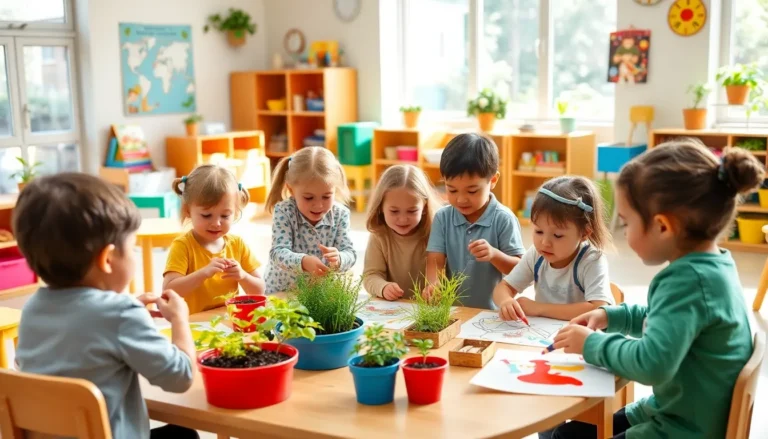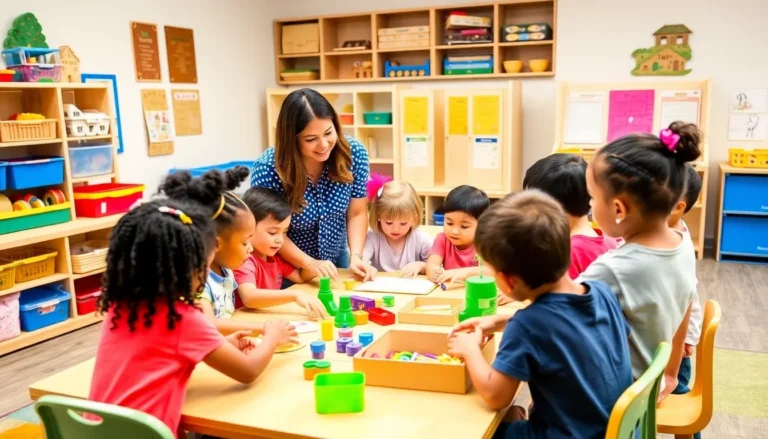

In a world brimming with parenting styles, Montessori stands out for its child-centered approach that fosters independence and creativity. This method, rooted in the teachings of Dr. Maria Montessori, emphasizes hands-on learning and respects each child’s unique development pace. As parents seek to nurture their children’s growth, understanding Montessori principles can be a game changer.
Montessori parenting resources offer invaluable guidance, from books and online courses to community groups and workshops. These tools empower parents to create enriching environments where children can thrive. By embracing these resources, families can cultivate a deeper connection with their little ones and support their journey toward becoming confident, self-directed learners.
Overview Of Montessori Parenting Resources
Montessori parenting resources provide essential tools that support the child-centered approach. These resources enhance parenting strategies, ensuring children receive an education aligned with Montessori principles. Below are key categories of resources available:
- Books
Books offer in-depth insights into Montessori education. Notable titles include “The Absorbent Mind” by Dr. Maria Montessori and “How to Talk So Kids Will Listen & Listen So Kids Will Talk” by Adele Faber and Elaine Mazlish.
- Online Courses
Online courses furnish parents with a structured approach to implementing Montessori methods at home. Many institutions provide certifications, such as the Montessori Teacher Training Institute, catering to various levels of expertise.
- Community Groups
Community groups foster connections among like-minded parents. Platforms like Meetup and Facebook Groups allow parents to share experiences, resources, and challenges, creating a supportive network.
- Workshops and Seminars
Workshops and seminars present opportunities for hands-on learning. Organizations like the American Montessori Society frequently host events focusing on practical applications of Montessori principles.
- Educational Materials
Educational materials facilitate active learning experiences. Montessori-friendly toys, activities, and learning kits are available from retailers like Montessori ‘n’ Such and Melissa & Doug, designed to engage children’s curiosity.
- Websites and Blogs
Websites and blogs provide valuable information on Montessori practices. Notable resources include The Montessori Foundation and The Helpful Garden, offering articles, tips, and downloadable resources for parents.
Each category plays a crucial role in guiding parents through the Montessori parenting journey, equipping them with strategies that nurture independence and creativity in their children.
Books On Montessori Parenting

Books on Montessori parenting provide essential insights into the principles and practices of this educational approach. They serve as valuable resources for parents seeking to foster independence and creativity in their children.
Recommended Titles
- “The Absorbent Mind” by Maria Montessori
Explores the cognitive development of children from birth to age six, emphasizing the importance of a nurturing environment that aligns with their natural learning processes.
- “Montessori: The Science Behind the Genius” by Angeline Stoll Lillard
Discusses scientific research supporting Montessori methods, detailing how these practices enhance children’s learning and psychological well-being.
- “How to Talk So Your Kids Will Listen & Listen So Kids Will Talk” by Adele Faber and Elaine Mazlish
Offers communication strategies that complement Montessori’s emphasis on independence while fostering respectful dialogues between parents and children.
- “Montessori for Every Parent” by Aline D. Wolf
Provides practical tips for parents on implementing Montessori principles at home, making it easier to create supportive learning environments.
- “The Montessori Method” by Maria Montessori
Outlines foundational Montessori principles, encouraging parents to understand the philosophy behind the approach and how to apply it effectively.
Key Takeaways
- Focus on Child Development
Books frequently highlight the significance of understanding children’s developmental stages and aligning parenting practices with their needs.
- Emphasis on Independence
Key resources promote fostering independence in children, enabling them to engage in meaningful activities and make choices.
- Practical Implementation
Many titles provide actionable strategies for integrating Montessori methods into daily routines, helping parents support their children’s learning.
- Communication Strategies
Suggested techniques enhance parent-child interactions, creating environments where children feel respected and heard.
- Foundation of Montessori Philosophy
Understanding Montessori’s core principles allows parents to create enriched learning spaces, encouraging ongoing exploration and discovery.
Online Platforms And Communities
Numerous online platforms and communities provide valuable resources for Montessori parenting. These spaces facilitate connection and support among parents, allowing them to share experiences, insights, and effective practices.
Websites
Several websites focus on Montessori education, offering comprehensive resources for parents. Websites like Montessori Guide provide articles, practical advice, and downloadable materials. The American Montessori Society offers resources for parents seeking information on Montessori principles and practices. Montessori Mom features ideas for activities and learning environments tailored to various age groups. Together, these websites serve as valuable tools for implementing Montessori strategies at home.
Social Media Groups
Social media groups connect Montessori parents, enabling discussions and exchange of ideas. Facebook groups like “Montessori Parenting” and “Montessori at Home” provide forums for sharing challenges, strategies, and success stories. Instagram accounts dedicated to Montessori parenting highlight creative learning activities and environment setups. Through these communities, parents can receive support, gain inspiration, and access collective wisdom on Montessori practices.
Workshops And Training Programs
Workshops and training programs offer essential opportunities for parents to deepen their understanding of Montessori principles and practices. These interactive sessions provide hands-on learning experiences that equip parents with practical skills for implementing Montessori methods at home.
- Local Montessori Schools: Many local Montessori schools conduct workshops that introduce parents to the Montessori philosophy. These sessions often cover topics like creating prepared environments and fostering independence in children. Parents engage in activities simulating classroom settings, allowing them to experience the approach firsthand.
- Montessori Associations: Organizations such as the American Montessori Society and the Montessori Accreditation Council for Teacher Education organize training programs. These programs target both novices and seasoned parents, featuring expert-led workshops that delve into developmental stages, discipline strategies, and educational materials.
- Online Programs: Online workshops provide flexibility for parents seeking to learn about Montessori practices. Platforms like Montessori Live and other e-learning resources offer various courses. Parents can select from short workshops focused on specific aspects of Montessori parenting to comprehensive training programs, allowing them to learn at their convenience.
- Community Classes: Community centers and parenting groups frequently host Montessori-themed workshops. These workshops enable parents to connect with others, share experiences, and learn techniques to cultivate a Montessori-friendly environment at home.
- Conferences: Annual conferences focused on Montessori education present opportunities to hear from leading experts. Workshops at these events promote collaboration and innovation, enabling parents to discover the latest research and practical strategies for implementing Montessori methods.
Engaging in workshops and training programs enhances parents’ ability to support their children’s growth, fostering a deeper connection to the Montessori philosophy.
Practical Montessori Activities For Home
Montessori activities at home encourage exploration and independence in children. Parents can create a rich environment with hands-on learning experiences that promote skill development.
- Practical Life Skills: Engage children with activities like pouring, sweeping, or preparing simple snacks. These tasks build fine motor skills and foster a sense of responsibility.
- Sensorial Activities: Provide materials that stimulate the senses, such as textured fabrics, sound boxes, or color matching cards. These activities enhance sensory perception and cognitive development.
- Nature Exploration: Incorporate nature walks where children can collect leaves, rocks, or flowers. Encourage discussions about their findings to promote curiosity and observation skills.
- Art Projects: Offer a variety of art supplies like paints, clay, or natural materials. Allow children to create freely, which nurtures creativity and self-expression.
- Mathematics Activities: Use everyday objects for counting, comparing, or simple addition and subtraction exercises. Activities like sorting buttons or measuring ingredients can integrate math into real-life contexts.
- Language Development: Foster language skills through storytelling or phonetic games. Use letter tiles or magnetic letters to support name spelling and word formation.
- Cultural Awareness: Introduce children to different cultures through books, music, or food. Celebrate various traditions to broaden their understanding of the world.
Implementing these activities creates an engaging learning atmosphere that aligns with Montessori principles, helping children thrive in their development.
Montessori parenting resources empower parents to create enriching environments that nurture their children’s independence and creativity. By exploring books, online courses, and community groups, they can gain valuable insights into implementing Montessori principles at home. These resources not only enhance understanding of child development but also foster connections among parents who share similar values.
Engaging in workshops and utilizing online platforms further deepens their knowledge and support network. The practical activities suggested encourage exploration and skill-building, aligning home practices with Montessori philosophy. Embracing these resources transforms the parenting journey into a fulfilling experience, ultimately benefiting both parents and children alike.