
Florida’s coastline is no stranger to the wrath of hurricanes, but the most recent storm has left an indelible mark on the state. With its powerful winds and torrential rains, this hurricane tested the resilience of communities and emergency services alike. Residents braced themselves as the storm approached, recalling past experiences while hoping for the best.
As recovery efforts begin, the impact of this hurricane is becoming clearer. From widespread damage to infrastructure to the emotional toll on families, the storm’s aftermath highlights the ongoing challenges Florida faces in preparing for such natural disasters. Understanding the details of this event is crucial for residents and policymakers as they work to rebuild and strengthen their defenses against future storms.
Overview of the Most Recent Hurricane in Florida
The most recent hurricane to impact Florida was Hurricane Idalia, which made landfall on August 30, 2023. It reached maximum sustained winds of 125 miles per hour, categorized as a strong Category 3 hurricane. The storm primarily affected the Big Bend region, leading to severe flooding and extensive power outages across multiple counties.
Local emergency services coordinated evacuations for coastal communities, prioritizing the safety of residents. The National Weather Service issued numerous warnings, allowing individuals to prepare and seek shelter. As a result, many families evacuated to safer locations, minimizing potential loss of life.
The hurricane caused significant damage to infrastructure, including homes, roads, and public facilities. Preliminary assessments estimate that repair costs could exceed $1 billion. Critical services, such as water and electricity, faced interruptions that affected countless households. Communities are now focused on rebuilding efforts, with local and federal resources mobilizing to support recovery initiatives.
Mental health resources are essential for families coping with the emotional aftermath of the storm. Many individuals report feelings of anxiety and uncertainty as they navigate recovery. Support networks are being strengthened to help residents and facilitate the healing process.
Policymakers are reviewing the disaster response to identify lessons learned and enhance preparedness for future storms. Investments in infrastructure improvements and early warning systems are critical components of this discussion. Community resilience remains a key focus, ensuring that Florida is better equipped to face similar challenges in the years to come.
Impact on Affected Areas
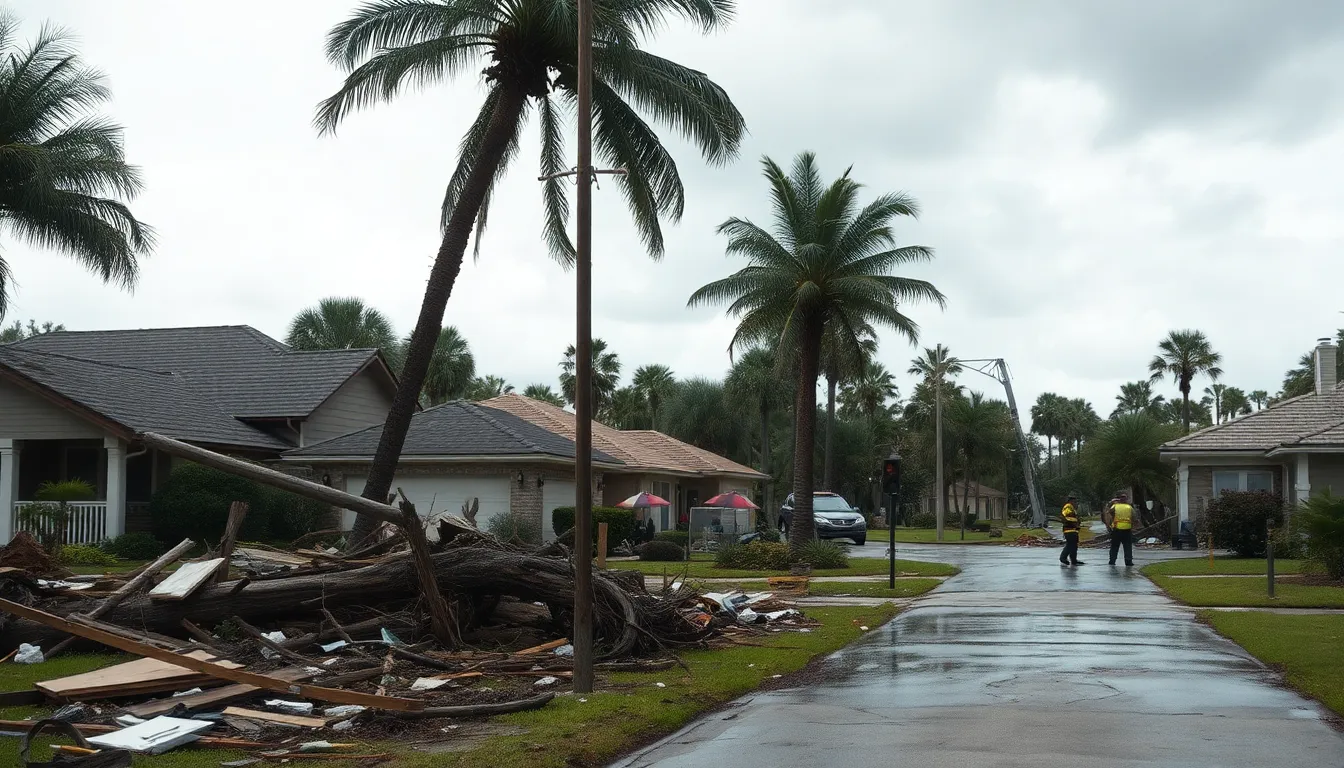
Hurricane Idalia caused extensive devastation across the impacted regions of Florida, impacting both infrastructure and local communities significantly.
Damage to Infrastructure
Damage to infrastructure includes severe destruction of residential properties, businesses, and critical public facilities. Roads faced blockages from fallen trees and debris, limiting access for emergency response teams and hindering recovery efforts. Flooding compromised essential facilities such as hospitals and fire stations, creating challenges for first responders. Preliminary estimates indicate repair costs may exceed $1 billion, highlighting the urgent need for infrastructure rebuilding to restore normalcy.
Effects on Local Communities
Effects on local communities extend beyond physical damage. Many residents experienced displacement due to floodwaters rendering homes uninhabitable, leading to temporary shelters being set up in community centers. Emotional distress among survivors heightened as individuals confronted loss and uncertainty. Access to essential services like clean water and electricity is crucial for community recovery, as many households remain without power. Local organizations are mobilizing mental health support to address the psychological impact of the hurricane, emphasizing the importance of community solidarity in the recovery process.
Response and Recovery Efforts
Hurricane Idalia prompted significant response and recovery efforts across Florida to address the aftermath of the storm and support affected communities. These initiatives involve governmental agencies and local organizations working collaboratively to restore normalcy and ensure safety.
Government Initiatives
Government agencies activated emergency response protocols to assist affected areas. The Federal Emergency Management Agency (FEMA) deployed resources to expedite financial assistance for disaster relief, including grants to help individuals and families with temporary housing and home repairs. State officials coordinated with local governments to assess damage and prioritize restoration projects. In addition, the Florida Department of Transportation initiated debris removal operations on major roadways, facilitating access for relief efforts and improving mobility for residents returning to their homes. Furthermore, public health agencies set up health clinics to address immediate medical needs, ensuring affected individuals receive necessary care.
Community Involvement
Community organizations play a crucial role in the recovery process. Volunteers from local churches, non-profits, and civic groups mobilized to provide food, shelter, and emotional support to residents. Neighborhood-led initiatives focused on clearing debris and distributing essential supplies to vulnerable populations, including seniors and those with disabilities. Local businesses contributed by offering temporary shelters and resources to families displaced by the storm. Community meetings fostered dialogue, allowing residents to voice concerns and share recovery experiences. This collective effort underscores the strength of community solidarity in navigating the challenges posed by Hurricane Idalia.
Lessons Learned from the Storm
Hurricane Idalia delivered crucial lessons for Florida, emphasizing the need for improved preparedness and response strategies.
- Emergency Communication Enhanced
Emergency services recognized the importance of timely information dissemination. Clear updates from the National Weather Service allowed families to prepare efficiently, reducing potential risks.
- Infrastructure Resilience Required
Damage to roads, homes, and essential facilities highlighted infrastructure vulnerabilities. Investments in robust construction methods and flood defenses are vital for future resilience.
- Evacuation Protocols Reviewed
Evaluating evacuation plans showcased their effectiveness. Faster, more organized evacuations are essential for rural coastal communities prone to flooding.
- Mental Health Resources Expanded
The emotional impact of the storm showed the need for accessible mental health support. Community initiatives must prioritize psychological recovery alongside physical rebuilding.
- Community Solidarity Strengthened
Local organizations’ role during recovery emphasized the power of community collaboration. Ongoing partnerships among nonprofits, churches, and residents provide critical support networks.
- Disaster Funding Procedures Optimized
The extensive costs from recovery efforts highlighted the necessity of streamlined funding processes from FEMA and state agencies. Efficient allocation of resources can accelerate recovery timelines.
- Preparedness Training Initiatives Enhanced
Programs focused on disaster readiness in schools and communities proved effective. Ongoing training can empower residents with necessary skills and knowledge to respond swiftly during emergencies.
- Sustainability Practices Integrated
Incorporating sustainable building practices in recovery efforts can mitigate future damage. Adopting green infrastructure may enhance both resilience and environmental protection.
These lessons serve as a blueprint for reinforcing Florida’s defenses against future hurricanes, ensuring communities emerge stronger and more prepared.
Hurricane Idalia’s impact on Florida serves as a stark reminder of the challenges posed by natural disasters. As communities begin to rebuild and recover the focus on preparedness and resilience becomes paramount. The collaboration among local organizations and government agencies highlights the strength found in unity during times of crisis.
The lessons learned from this hurricane will shape future strategies for disaster response and infrastructure improvements. Investing in robust construction methods and enhancing emergency communication will be crucial in safeguarding communities. As Florida continues its recovery journey the emphasis on mental health support and community solidarity will play a vital role in healing and rebuilding lives.