

Language is a fascinating bridge that connects cultures and ideas. For those interested in Spanish, learning simple yet essential vocabulary can open up a world of communication. One common word that often comes up is “pig.” Understanding how to say it in Spanish not only enriches language skills but also enhances cultural appreciation.
In Spanish, the word for pig is “cerdo.” This term is used in various contexts, from culinary discussions to agricultural references. Exploring the nuances of this word can provide insight into how different cultures view and utilize this animal. Whether you’re traveling to a Spanish-speaking country or simply expanding your language repertoire, knowing how to say “pig” is a great starting point.
Understanding Basic Animal Vocabulary
Understanding basic animal vocabulary strengthens language skills and enhances communication. In Spanish, animal names often differ significantly from their English counterparts. Familiarizing oneself with these terms aids in everyday conversations and cultural exchanges.
Common Animal Names in Spanish
- Dog: perro
- Cat: gato
- Horse: caballo
- Cow: vaca
- Sheep: oveja
- Goat: cabra
Significance in Language Learning
Learning animal names is crucial for various contexts, such as storytelling, education, and travel. The word “cerdo” not only refers to “pig” but also serves as a gateway to understanding related terms like “jamón” (ham) and “tocino” (bacon). Expansion of vocabulary leads to deeper cultural connections and enriches the learning experience.
Usage in Context
Using animal vocabulary in sentences exemplifies its practical application. For example, “El cerdo vive en la granja” translates to “The pig lives on the farm.” Through practical use, language learners can grasp the nuances of Spanish more effectively.
Variations in Dialects
Different Spanish-speaking regions may use alternative terms for animals. For instance, some countries may use “chancho” instead of “cerdo.” Acknowledging these variations broadens one’s understanding of regional dialects and fosters better communication.
How to Say Pig in Spanish
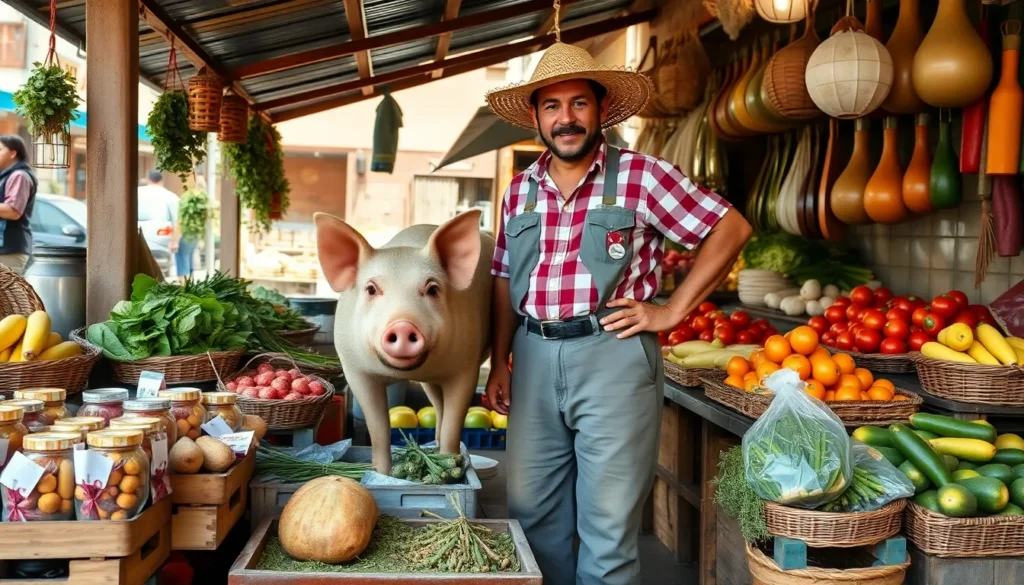
The Spanish word for “pig” is “cerdo.” This term plays a vital role in understanding agricultural, culinary, and cultural contexts in Spanish-speaking regions.
The Spanish Word for Pig
The primary term “cerdo” identifies a pig in general. It’s important to note that regional variations exist. In some countries, “chancho” serves as a colloquial alternative for “cerdo.” Both terms provide essential vocabulary for anyone engaging with Spanish-speaking cultures, especially in agriculture or culinary fields.
Different Contexts for Using the Word
Understanding how to use “cerdo” in various contexts enhances communication.
- Culinary Uses: “Cerdo” appears frequently in culinary discussions, particularly in dishes like “lechón” (roast pig) or “carnitas” (slow-cooked pork). Knowing this vocabulary aids in dining and cooking conversations.
- Agricultural Contexts: In farming or livestock contexts, “cerdo” describes not only the animal but also its role in industry. For example, discussions about breeding, feeding, or veterinary care utilize the word prominently.
- Cultural References: “Cerdo” also appears in idiomatic expressions or cultural sayings. Phrases like “ser un cerdo” (to be a pig) convey specific meanings in social interactions.
Recognizing these different contexts allows for richer conversations and better comprehension of cultural nuances.
Related Terms in Spanish
Understanding variations and related terms enhances comprehension of the Spanish language. The vocabulary context around “pig” broadens the scope for effective communication.
Variations of the Word ‘Pig’
In addition to “cerdo,” several regional terms denote a pig, including:
- Chancho: Commonly used in countries like Peru and Chile.
- Cochino: Often refers to a pig in informal settings, particularly in Mexico.
- Porcino: A more formal term used in agricultural contexts to refer generally to pigs and pork products.
Each variation reflects regional preferences, showcasing the linguistic diversity in Spanish-speaking cultures.
Other Common Animal Terms
Expanding animal vocabulary offers more insight into daily conversations. Here are additional Spanish terms for common animals:
- Perro: Dog
- Gato: Cat
- Caballo: Horse
- Vaca: Cow
- Oveja: Sheep
- Cabra: Goat
Recognizing these terms provides a foundation for communication in various contexts, from storytelling to educational discussions, allowing for deeper engagement with Spanish cultural nuances.
Cultural Significance of Pigs in Spanish-speaking Countries
Pigs, or “cerdo,” hold various cultural significances across Spanish-speaking countries. They symbolize prosperity, abundance, and culinary tradition. In many rural communities, pigs serve as essential livestock, contributing to local economies and food sources.
Culinary traditions spotlight the importance of pigs. Dishes like “lechón” (roast pig) feature prominently in celebrations such as holidays, weddings, and festivals. Many families raise their own pigs to ensure quality meat for these special occasions.
The cultural relevance of pigs extends beyond food. In some regions, pigs appear in folklore and literature, embodying attributes like resilience and intelligence. Idiomatic expressions, such as “trabajar como un cerdo” (to work hard), demonstrate how pigs permeate everyday language, reflecting their longstanding societal roles.
In certain cultures, pigs also symbolize luck. In Spain, for example, the “cerdo” represents good fortune, particularly in aspects related to wealth and prosperity. This cultural symbolism contributes to the pig’s overall significance within the broader narrative of Spanish-speaking societies.
Understanding these cultural dimensions enriches the learning experience for those studying Spanish. Recognizing the broader implications of “cerdo” allows for deeper conversations about food practices, traditions, and societal values in the respective Spanish-speaking locales.
Mastering the word “cerdo” is just the beginning of a rewarding journey into the Spanish language. By embracing this vocabulary, learners not only improve their communication skills but also gain insight into the rich cultural significance of pigs in Spanish-speaking societies.
Understanding the various contexts in which “cerdo” is used can lead to more meaningful conversations about food, agriculture, and traditions. As learners expand their knowledge of animal vocabulary, they’ll find themselves better equipped to engage with diverse cultural narratives.
This foundational step opens doors to deeper connections and appreciation of the Spanish language and its vibrant cultures.