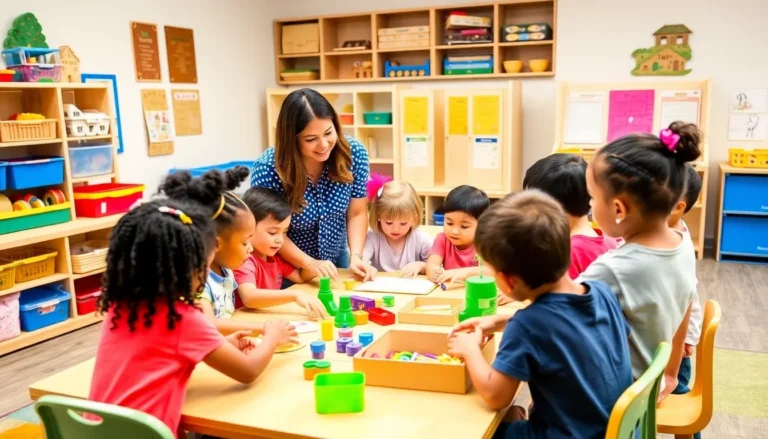

As parents navigate the overwhelming world of baby products, safety remains a top priority. Non-toxic baby toys have emerged as a crucial choice for those who want to ensure their little ones play with safe materials. With growing concerns about harmful chemicals in traditional toys, more families are turning to eco-friendly options that offer peace of mind.
Choosing non-toxic toys isn’t just about safety; it’s also about fostering healthy development. These toys encourage imaginative play and sensory exploration without the risk of exposure to harmful substances. By opting for non-toxic alternatives, parents can create a nurturing environment that supports their child’s growth while protecting their health.
Overview of Non-Toxic Baby Toys
Non-toxic baby toys are designed with safety and environmental consciousness in mind. They are free from harmful chemicals, such as phthalates, lead, and bisphenol A (BPA). Families increasingly prioritize these toys to reduce exposure to toxins during children’s crucial early development stages.
Materials typically used in non-toxic toys include organic cotton, natural rubber, wood, and non-toxic paints. These materials ensure safety and contribute to sustainability, aligning with the growing eco-friendly movement. Popular brands often adhere to strict safety standards and provide certifications, ensuring the toys are safe for infants and toddlers.
Non-toxic toys encourage imaginative play and sensory exploration. They include items like building blocks, soft plush animals, and stacking toys, which aid in developing fine motor skills and cognitive abilities. By promoting healthy play, these toys foster a nurturing environment for children, helping them learn and grow effectively.
Selecting non-toxic baby toys reflects a family’s commitment to health, safety, and environmental stewardship. As parents prioritize these toys, they contribute to a safer world for future generations.
Importance of Choosing Non-Toxic Baby Toys
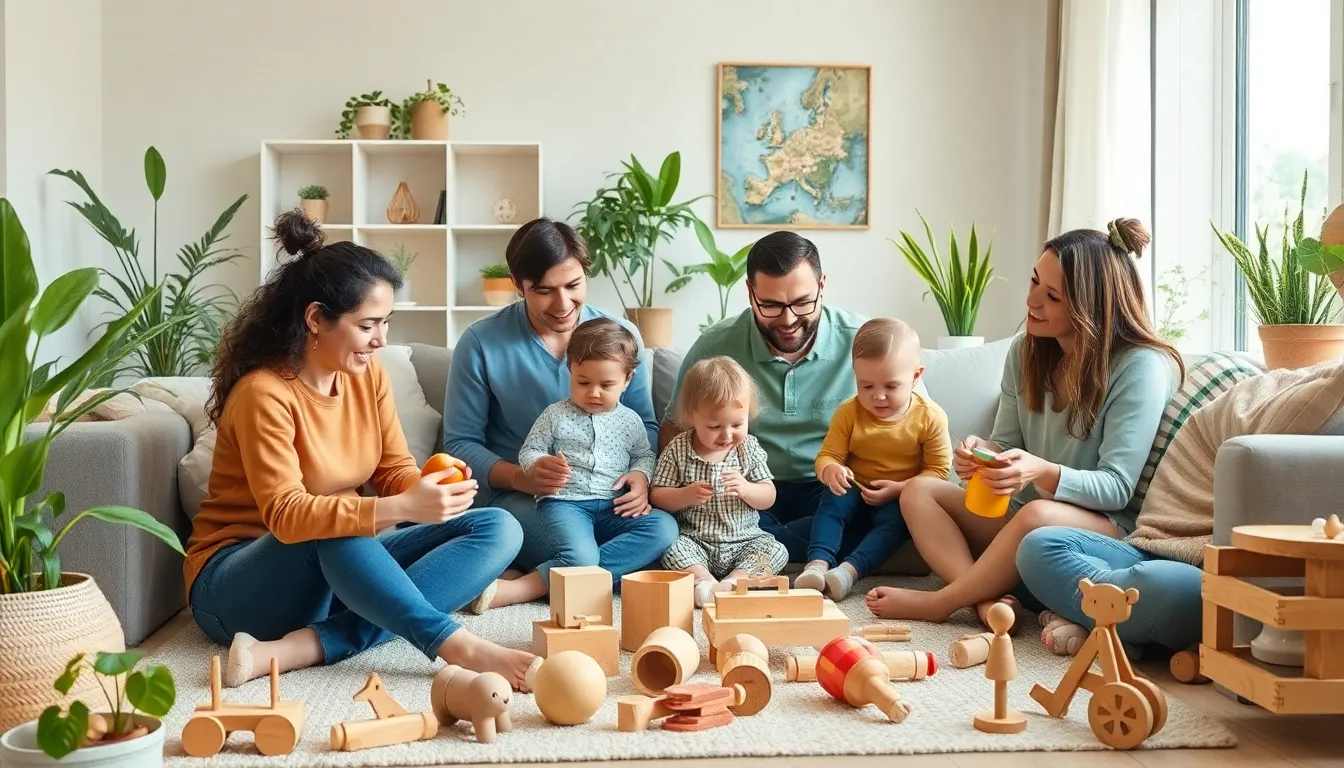
Selecting non-toxic baby toys plays a crucial role in safeguarding children’s health and promoting environmental sustainability. Families increasingly recognize the necessity of choosing safer options to support their children’s growth and well-being.
Health Benefits
Non-toxic baby toys promote safety by eliminating harmful chemicals like phthalates, lead, and BPA, which can adversely affect children’s health. Exposure to these toxins during critical developmental stages can lead to long-term health issues, including hormone disruption and cognitive delays. Non-toxic toys, made from materials such as organic cotton, natural rubber, and untreated wood, provide peace of mind for parents. Many non-toxic toys also feature non-toxic paints and dyes, ensuring that even the surface materials pose no risk. The use of these safe materials aids in developing fine motor skills and cognitive abilities, fostering a healthy play environment for young children.
Environmental Impact
Choosing non-toxic baby toys significantly contributes to environmental sustainability. Many of these toys are crafted from eco-friendly materials that minimize pollution and reduce plastic waste. Natural materials like wood and organic cotton are biodegradable, ensuring that they won’t linger in landfills for centuries. Furthermore, brands committed to non-toxic toys often follow sustainable manufacturing practices, including energy-efficient production and responsible sourcing of materials. By selecting non-toxic toys, families actively support eco-conscious brands and practices, promoting a healthier planet for future generations.
Key Materials Used in Non-Toxic Baby Toys
Non-toxic baby toys utilize safe materials, ensuring a healthy play environment for children. Families prioritize these choices for their durability, sustainability, and safety.
Natural Wood
Natural wood serves as an excellent material for non-toxic baby toys. Manufacturers often select hardwoods like maple, beech, or birch, untreated and free from harmful chemicals. Natural wood toys can withstand significant wear, making them long-lasting options for children. Brands use natural finishes, such as beeswax or vegetable oils, to enhance durability while maintaining safety.
Organic Fabrics
Organic fabrics, including cotton and wool, constitute another safe option for baby toys. These materials undergo stringent growing processes free from pesticides or synthetic fertilizers. Organic cotton is breathable and soft, providing comfort in plush toys or cloth dolls. Certifications like GOTS (Global Organic Textile Standard) confirm that these fabrics remain chemical-free and help reduce environmental impact.
Non-Toxic Plastics
Non-toxic plastics arise from safe materials like polyethylene or polypropylene, which lack harmful additives. These plastics resist moisture and are easier to clean than other materials. Brands often ensure their plastic toys are free from phthalates, BPA, and other hazardous chemicals through safety compliance standards. Families can find colorful, engaging plastic toys that meet safety regulations while promoting imaginative play.
Popular Brands of Non-Toxic Baby Toys
Several brands prioritize safety and environmental consciousness, producing non-toxic baby toys that meet strict safety standards.
Brand A
Brand A specializes in high-quality, eco-friendly toys made from sustainable materials. Their products include a range of wooden toys crafted from untreated hardwoods like maple and birch, often finished with natural oils. Each toy maintains certifications such as the ASTM and CPSC, ensuring they meet rigorous safety guidelines. Popular items include stacking blocks and educational puzzles, designed to stimulate cognitive development while encouraging imaginative play.
Brand B
Brand B focuses on organic cotton plush toys, ensuring all materials undergo certified chemical-free processes. This brand’s toys are free from harmful chemicals like phthalates and BPA, offering peace of mind for parents. With a variety of cuddly animals and sensory toys, Brand B promotes emotional and sensory development in infants. Their commitment to sustainability includes using biodegradable packaging, further reflecting their eco-conscious ethos.
Tips for Identifying Non-Toxic Baby Toys
- Check Certifications: Look for toys with certifications from reputable organizations, such as the Global Organic Textile Standard (GOTS) or ASTM International. These certifications indicate compliance with safety and environmental standards.
- Examine Material Composition: Assess the materials used in toys. Opt for options made from organic cotton, natural rubber, or untreated wood, as these contain fewer harmful chemicals compared to synthetic alternatives.
- Review Labels: Read product labels carefully. Ensure they specify “non-toxic,” “BPA-free,” or “phthalate-free.” Information on labeling can help in identifying safe toys for infants and toddlers.
- Research Brands: Investigate companies committed to producing safe toys. Brands that prioritize eco-friendly practices and transparency in their manufacturing processes often produce non-toxic toys.
- Avoid Plastic Toys with Warning Labels: Stay clear of plastic toys with warnings about potential choking hazards or harmful substances. These toys may expose children to unsafe chemicals.
- Inquire About Safety Testing: Ask manufacturers about safety testing procedures. Companies adhering to rigorous safety testing protocols demonstrate a commitment to producing safe products.
- Seek Recommendations: Consult reviews and recommendations from trusted sources. Product reviews and parenting forums often provide insights into toy safety and the experiences of other parents.
- Prioritize Simplicity: Select toys with fewer complex components. Simple toys tend to be safer, as they often consist of fewer materials that could pose potential risks.
- Check for Toxic Chemical Releases: Be aware of toys that release toxins over time, including those that use paints or finishes. Look for toys marked as free from such harmful chemicals.
- Consider Age Appropriateness: Ensure toys are appropriate for a child’s age. Choosing age-appropriate toys minimizes risks, as they are designed with safety features suitable for specific developmental stages.
Choosing non-toxic baby toys is a vital step in ensuring a child’s health and safety. By opting for toys made from safe materials, families can significantly reduce exposure to harmful chemicals during critical developmental stages. These toys not only foster imaginative play but also support cognitive and motor skill development.
As the market for eco-friendly products grows, parents have access to a range of high-quality brands committed to safety and sustainability. By prioritizing non-toxic options, families contribute to a healthier environment for their children and the planet. Making informed choices today lays the foundation for a safer and more sustainable future for the next generation.