
When it comes to choosing the best educational path for kids, parents often find themselves in a delightful dilemma: Waldorf or Montessori? Both approaches promise to nurture creativity and foster a love for learning, but they do so with their own unique flair. Imagine Waldorf as the whimsical artist, painting a vivid world of imagination, while Montessori steps in as the meticulous architect, designing a structured space for independent exploration.
As parents weigh the pros and cons, they might wonder if one method is truly better than the other. Are Waldorf’s enchanting storytelling and rhythmic festivals the key to a child’s heart? Or does Montessori’s hands-on learning and self-directed play hold the secret to lifelong success? Let’s dive into this charming educational showdown and uncover which philosophy might just be the perfect fit for those little minds ready to conquer the world.
Table of Contents
ToggleOverview of Waldorf Schools
Waldorf Schools focus on fostering creativity and imagination in children. These institutions emphasize holistic education, nurturing not just intellect but also emotional and physical development.
Key Principles
Waldorf education centers on a child’s developmental stages. Children engage with learning that aligns with their natural growth. Storytelling, art, and music play central roles, encouraging self-expression. Teachers serve as guides, facilitating rather than directing learning. Community and collaboration are vital, promoting strong relationships among students and educators. This environment cultivates a love for learning.
Curriculum Structure
Waldorf curriculum integrates academics with arts and practical skills. Subjects include language arts, mathematics, science, and foreign languages. Daily and weekly rhythms guide activities, creating a predictable yet flexible routine. Seasonal festivals enrich the curriculum, connecting students with nature and cultural traditions. Hands-on activities like gardening or woodworking provide experiential learning opportunities. This blend aims for balanced development across multiple domains.
Overview of Montessori Schools
Montessori schools emphasize child-centered learning through independent exploration. Each school environment fosters curiosity and supports individual learning paths.
Key Principles
Child development drives the core principles of Montessori education. Respecting a child’s choices promotes self-confidence and initiative. Hands-on activities allow practical life skills to flourish. Mixed-age classrooms encourage collaboration and peer learning. Teachers serve as guides, facilitating exploration rather than dictating instructions. This approach nurtures autonomy, allowing children to learn at their own pace.
Curriculum Structure
The curriculum structure in Montessori schools promotes flexibility and responsiveness. Core subjects include practical life, sensory activities, mathematics, language, and cultural studies. Materials are designed to be engaging and self-correcting, enhancing independence and understanding. Daily schedules balance individual work with collaborative projects and group activities. Emphasis on real-world experiences enriches learning, enabling children to connect class concepts with everyday life. Such an approach cultivates a lifelong love of learning and discovery.
Comparison of Teaching Methods
Waldorf and Montessori schools offer distinct teaching methods, shaping the learning experiences of children in unique ways.
Teacher’s Role
In Waldorf education, teachers act as facilitators rather than mere instructors. They guide the creative process, fostering an environment rich in artistic expression. Teachers immerse students in storytelling and hands-on activities, enhancing engagement. They emphasize building relationships and community among students, creating a collaborative atmosphere. Montessori educators also serve as guides but focus on promoting independence. They observe students closely, tailoring support to individual needs. Facilitators in this setting provide materials and resources that spark curiosity, enabling self-directed exploration. Ultimately, both approaches prioritize the teacher’s role in nurturing students’ growth but do so through different methods.
Student’s Role
Students in Waldorf schools engage actively with the curriculum. They participate in a diverse range of artistic and practical activities, allowing for holistic development. Children learn through play, storytelling, and seasonal festivals, which enrich their emotional and social growth. In contrast, Montessori students enjoy autonomy in directing their learning. They choose activities that resonate with their interests, cultivating self-motivation. The mixed-age classrooms foster peer learning, enhancing collaboration among students. Both educational philosophies empower children, but Waldorf emphasizes community involvement, while Montessori highlights individual exploration. Each approach nurtures a love of learning, with varied responsibilities for students in their educational journeys.
Learning Environment
The learning environment significantly shapes the educational experiences in both Waldorf and Montessori schools. Each approach creates unique, supportive settings that nurture children’s development.
Classroom Setup
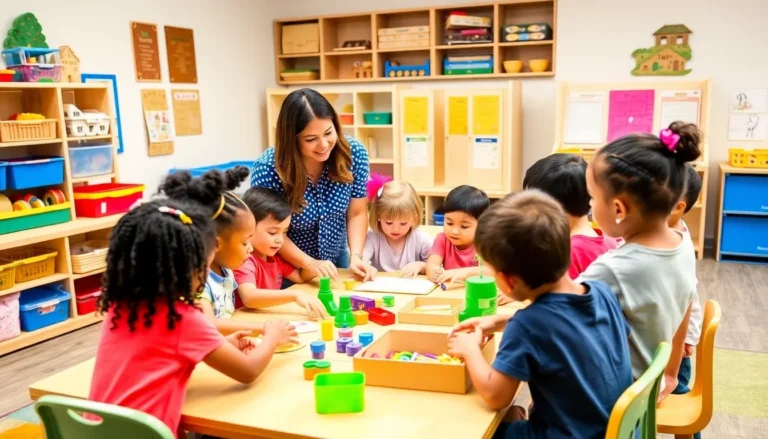
Waldorf classrooms feature warm colors, natural materials, and inviting spaces that encourage imagination and creativity. Circular layouts foster a sense of community, allowing students to engage freely in collaborative activities. In contrast, Montessori classrooms emphasize order and accessibility, with materials easily within reach. Child-sized furniture enhances comfort, while designated areas promote purposeful play and independent work. Separate spaces cater to specific activities, ensuring focus remains on exploration and learning. Overall, both setups tailor to children’s needs, but their design reflects distinct educational philosophies.
Materials Used
Waldorf education utilizes open-ended, natural materials that stimulate creativity. Art supplies, such as beeswax and watercolor paints, encourage artistic expression. Additionally, dolls and wooden toys promote imaginative play and social interaction. Montessori materials focus on hands-on learning, with specialized tools designed for specific concepts, like math and language. Practical life activities incorporate everyday objects, enabling children to relate learning to real-world experiences. Each method prioritizes engagement through materials that reflect their unique educational theory, ultimately supporting children’s holistic growth.
Advantages and Disadvantages
Both Waldorf and Montessori schools offer unique benefits and experiences tailored to children’s educational needs. Understanding the advantages and disadvantages of each approach helps in making an informed choice.
Waldorf School Advantages
Waldorf schools promote creativity and imagination through a holistic curriculum. Students engage in storytelling, arts, and music, fostering self-expression and emotional growth. The integration of academic subjects with practical activities strengthens learning retention. A strong community feel encourages collaboration among peers. Seasonal festivals enrich the educational experience, connecting students with nature and culture. Experienced teachers guide students through age-appropriate developmental stages, ensuring a personalized approach to education.
Montessori School Advantages
Montessori schools focus on child-centered learning that fosters independence. Children explore their interests through hands-on activities designed to develop practical life skills. The mixed-age classrooms provide opportunities for peer learning, enhancing social development. Personalized learning paths allow kids to progress at their own pace, catering to individual needs. Teachers act as facilitators, promoting autonomy and critical thinking. Engaging materials support a dynamic learning environment, ultimately cultivating a love for discovery and exploration.
Disadvantages of Each Approach
Waldorf education may lack sufficient emphasis on standardized testing, which could raise concerns among parents seeking academic rigor. Some critics argue that its artistic focus may not align with every child’s learning style, potentially leading to gaps in foundational skills. Montessori schools, while promoting independence, may not provide enough structure for children who thrive in more guided environments. Parents may also find the lack of a set curriculum challenging when trying to gauge their child’s progress. Balancing these advantages and disadvantages aids in determining the ideal fit for each child’s unique needs.
Choosing between Waldorf and Montessori education involves understanding the unique philosophies and methodologies each approach offers. Waldorf emphasizes creativity and emotional growth through a holistic curriculum that nurtures the whole child. In contrast Montessori promotes independence and self-directed learning, allowing children to explore at their own pace.
Parents must consider their child’s individual needs and learning style when making this important decision. Both educational paths provide valuable experiences that can shape a child’s development. Ultimately, the right choice will depend on what aligns best with the child’s personality and learning preferences.