

Dive into the quirky depths of the Safukip Sea, where the bizarre and the beautiful collide in a spectacular underwater carnival. This vibrant ecosystem is home to some of the strangest creatures you’ll ever encounter, from fish that look like they just swam out of a sci-fi movie to mollusks boasting more personality than your average reality TV star.
Overview of the Safukip Sea
The Safukip Sea encompasses a unique and diverse marine ecosystem. Geographically, it lies between several archipelagos, creating a rich blend of habitats. Environments such as coral reefs, kelp forests, and deep ocean trenches coexist in this vibrant sea. Biodiversity thrives here, with over 1,000 species of marine animals reported.
Unusual creatures inhabit this sea, including the luminescent jellyfish and the color-changing octopus. Species exhibit extraordinary adaptations to survive in varying depths and temperatures. Examples include the armored fish that utilizes camouflage and the deep-sea anglerfish with its bioluminescent lure.
Temperature variations and nutrient-rich waters contribute to a dynamic food chain. Primary producers like phytoplankton flourish, supporting herbivorous species. Predators, including strange-looking sharks and colorful nudibranchs, occupy higher trophic levels, showcasing the complex interactions within this ecosystem.
Conservation efforts play a crucial role in maintaining the health of the Safukip Sea. Various organizations collaborate to monitor and protect the fragile marine environments. Implementing sustainable fishing practices helps to ensure that populations of unique species remain stable.
Research continues to uncover new discoveries within the Safukip Sea. Scientists regularly document previously unknown species, capturing the imagination of marine biologists and enthusiasts alike. Understanding this remarkable ecosystem is essential to preserving its future and the fascinating creatures that inhabit its depths.
Unique Ecosystem
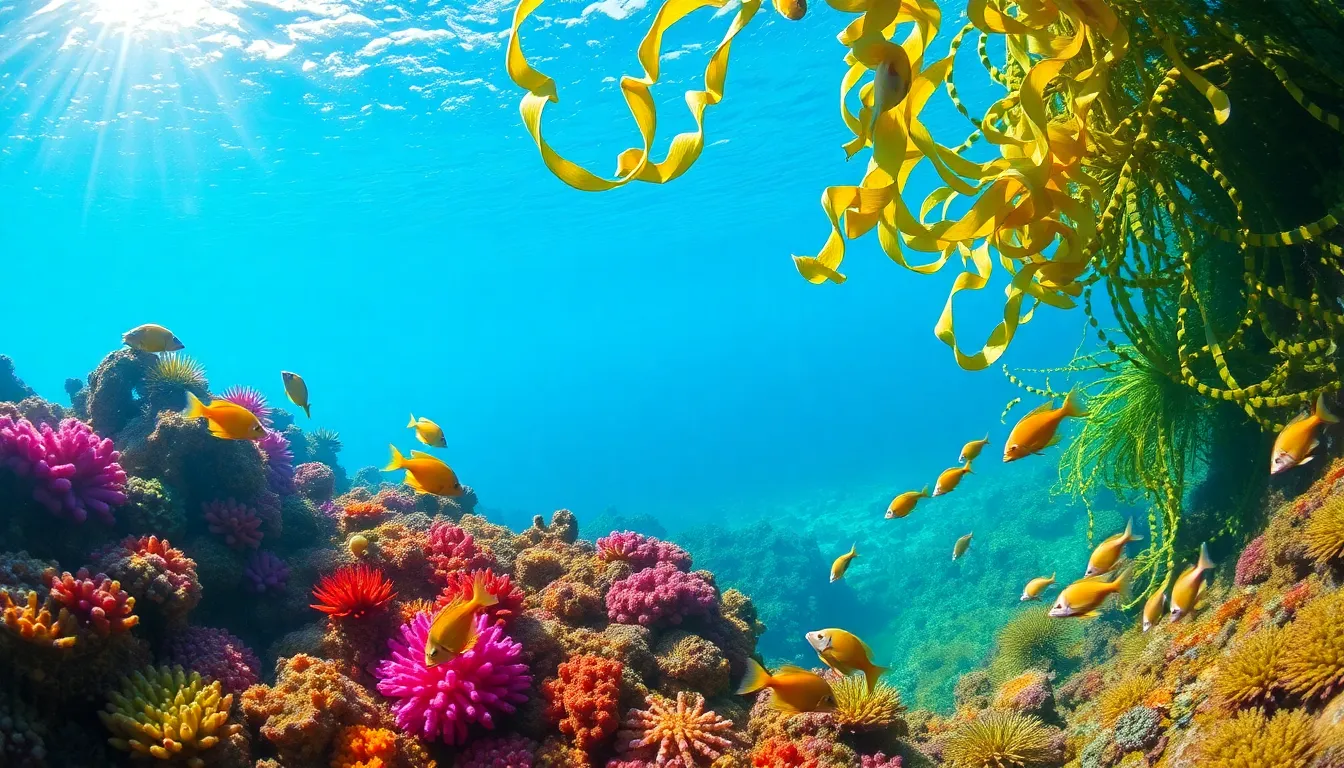
The Safukip Sea hosts a vibrant and intricate ecosystem. Unique interactions between its components enhance the marine environment’s complexity.
Flora and Fauna Interactions
Coral reefs serve as a habitat for diverse marine life. Various fish species, like parrotfish and cleaner wrasses, maintain the health of these reefs. Nudibranchs, with their colorful bodies, feed on algae and sponges, which contributes to reef balance. Kelp forests provide shelter for creatures like sea otters and various fish. They also influence currents and nutrient flow within the ecosystem, promoting rich biodiversity. Nutrient cycling occurs as plants photosynthesize, supporting herbivores and predators alike. These interactions create a delicate web, ensuring survival for many species.
Importance of Biodiversity
Biodiversity strengthens ecosystem resilience in the Safukip Sea. Over 1,000 marine species coexist, each playing a vital role in the food chain. Healthy populations of phytoplankton, as primary producers, sustain herbivores that feed larger predators. Unusual organisms, such as bioluminescent jellyfish, attract research interest, revealing ecological secrets. Conservation efforts aim to protect this biodiversity from threats like climate change and pollution. Researchers stress that preserving various species ensures ecosystem stability, allowing the marine environment to thrive. Maintaining biodiversity enhances the overall health of the Safukip Sea, fostering resilience against disruptive changes.
Weird Animals in the Safukip Sea
The Safukip Sea is home to some of the planet’s strangest marine creatures. Unique adaptations enable them to thrive in their vibrant ecosystem.
Bioluminescent Creatures
Creatures like the Safukip jellyfish emit captivating glows, lighting up the dark depths. This bioluminescence serves multiple purposes, including attracting prey and deterring predators. Additionally, the glowing patterns vary among species, showcasing a range of colors from teal to bright green. Many squids in this region also possess bioluminescence, utilizing it for communication during mating season.
Strange Body Shapes
Unusual body shapes define several inhabitants of the Safukip Sea. The flat, disk-like Mola mola, or sunfish, showcases a silhouette that’s both bizarre and fascinating. In contrast, the long, ribbon-like body of the ribbonfish enables swift movement through the water. Other species, such as the needlefish, exhibit elongated bodies that help them navigate through dense underwater vegetation. These distinct forms illustrate the dynamic evolutionary adaptations of marine life.
Odd Behavioral Traits
Highlighting odd behavioral traits, the octopus demonstrates remarkable intelligence and problem-solving abilities. They can camouflage in mere seconds, blending perfectly with their surroundings to evade predators. Other species, like the cuttlefish, also engage in intricate displays of color to communicate and attract mates. Such behaviors reveal the complexity and adaptability of species within this unique ecosystem.
Conservation Efforts
Conservation efforts play a pivotal role in maintaining the health of the Safukip Sea’s diverse ecosystem. These initiatives focus on protecting vulnerable marine life and preserving natural habitats.
Protection of Marine Life
Organizations dedicate resources to safeguarding unique species within the Safukip Sea. Research programs monitor populations of luminescent jellyfish and color-changing octopuses, ensuring their survival against environmental threats. Restoration projects aim to restore damaged coral reefs, a critical habitat for many fish species. Legislative measures enact fishing quotas to prevent overfishing, promoting sustainable practices among local communities. Engaging in scientific research offers insights into how environmental factors impact specific species, leading to better conservation strategies. Collaboration among marine biologists, environmental organizations, and local governments fosters a collective effort to protect marine biodiversity.
Community Involvement
Local communities engage actively in conservation efforts, recognizing the interconnectedness of their livelihoods and the health of the ocean. Educational programs raise awareness about the importance of biodiversity, empowering residents to participate in conservation initiatives. Volunteer clean-up events along coastlines help reduce pollution, directly benefiting marine habitats. Community-led marine reserves establish safe zones where fishing is restricted, allowing ecosystems to recover. Workshops on sustainable fishing techniques promote practices that benefit both the environment and local economies. Empowering the community cultivates a sense of ownership and responsibility toward local marine life, ensuring a legacy of preservation for future generations.
The Safukip Sea stands as a testament to the wonders of nature’s creativity. Its bizarre and vibrant marine life not only captivates the imagination but also highlights the delicate balance of its ecosystem. Each unique species plays a vital role in maintaining the health and resilience of this underwater wonderland.
As conservation efforts continue to gain momentum, the importance of preserving such biodiversity becomes increasingly clear. Protecting the Safukip Sea ensures that future generations will have the opportunity to explore and appreciate its extraordinary inhabitants. By fostering awareness and community involvement, there’s hope for a sustainable future for this remarkable marine environment.