

A white spot on the bottom of the foot can be more than just a cosmetic concern; it often signals underlying health issues that require attention. Many people experience this common condition, yet few understand its potential causes and implications. From fungal infections to skin conditions, these spots can vary in severity and significance.
Recognizing the symptoms and understanding when to seek medical advice is crucial. Whether it’s a persistent mark or a sudden appearance, knowing the reasons behind these white spots can help individuals take proactive steps toward treatment and prevention. This article delves into the various causes, symptoms, and treatments associated with white spots on the feet, empowering readers to take charge of their foot health.
Overview of White Spot on Bottom of Foot
White spots on the bottom of the foot can arise from several causes. Fungal infections, such as athlete’s foot, commonly present as white patches along with peeling or itching. Skin conditions, like eczema or psoriasis, may also manifest as white spots, often accompanied by redness or inflammation.
Other potential causes include:
- Moles: Moles can appear white due to lack of pigmentation.
- Calluses: Calluses may develop white areas from thickened skin.
- Vitiligo: Vitiligo creates depigmented patches, which can affect the feet.
- Lichen Planus: Lichen planus can lead to white spots, frequently itchy in nature.
Recognizing accompanying symptoms helps determine the underlying cause. It’s essential to monitor changes and seek medical evaluation if the spots expand, change color, or cause discomfort. Timely intervention ensures appropriate treatment and fosters better foot health.
Common Causes
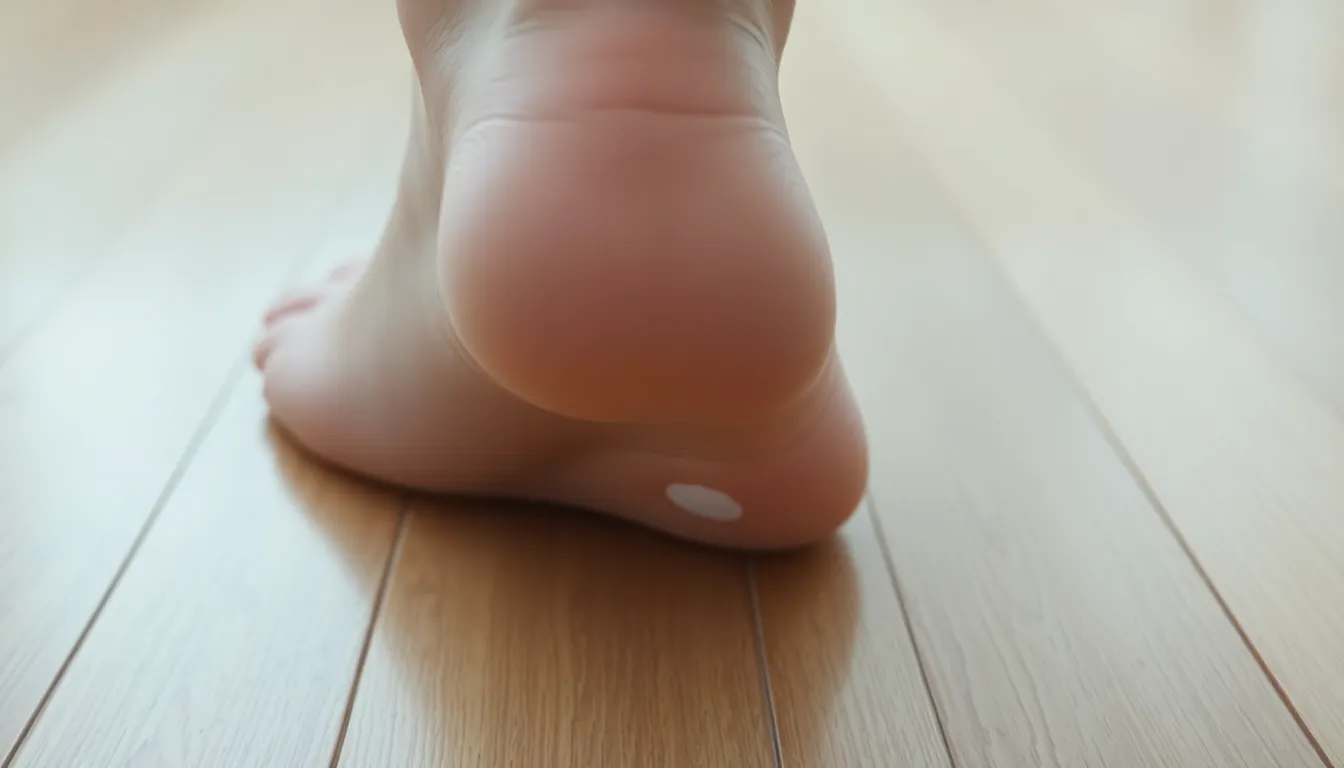
White spots on the bottom of the foot typically arise from various health issues. Understanding these causes helps in identifying appropriate treatments and when to seek medical advice.
Fungal Infections
Fungal infections often cause white spots. Tinea pedis, commonly known as athlete’s foot, presents as dry, flaky patches. These patches may appear white and can spread if untreated. Treatment usually includes antifungal creams or oral medications. Other fungal infections, such as Candida, can also lead to white spots, particularly in moist areas between the toes.
Skin Conditions
Skin conditions account for many cases of white spots. Eczema presents as red, inflamed patches that can lighten and become white over time. Psoriasis, characterized by scaly, itchy lesions, may also produce white spots on the soles. Vitiligo affects skin pigmentation, leading to lighter areas, including on the feet. Lichen planus manifests as flat-topped white spots or lesions on the skin and can affect the soles.
Other Medical Conditions
Other medical conditions can result in white spots. Diabetes may cause skin changes, resulting in white patches on the feet. Allergic reactions to footwear or products can lead to irritation and white spots. Poor circulation may diminish skin health, contributing to discoloration. Monitoring these symptoms and seeking medical evaluation is crucial for accurate diagnosis and treatment.
Symptoms to Watch For
Signs accompanying white spots on the bottom of the foot vary depending on the underlying condition. Monitoring these symptoms is crucial for identifying potential health issues.
- Itching: Persistent itching alongside white spots might indicate a fungal infection or eczema.
- Swelling: Localized swelling can suggest an inflammatory response, commonly seen with skin conditions like psoriasis.
- Redness: Redness near the spots often signals irritation or infection.
- Discomfort or Pain: Experiencing pain, especially when walking, can indicate a more serious underlying issue, such as plantar warts or nerve damage.
- Peeling or Flaking: Flaking skin around the spots is typical in fungal infections and may require treatment.
- Change in Size or Shape: Any noticeable change in the size or shape of the spots may suggest progression of a condition and warrants medical evaluation.
- Presence of Blisters: Blisters appearing on or around the white spots may indicate an infection or severe irritation.
Timely recognition of these symptoms aids in early diagnosis and treatment, enhancing overall foot health.
Diagnosis Methods
Diagnosing the cause of white spots on the bottom of the foot requires a thorough evaluation. Healthcare professionals typically utilize physical examinations and laboratory tests to determine the underlying issues.
Physical Examination
A physician begins with a comprehensive physical examination of the affected foot. They assess the white spots’ appearance, size, and texture while checking for any accompanying symptoms such as redness, swelling, or itching. The examination may also include a review of the patient’s medical history and any relevant lifestyle factors, like exposure to fungi or allergens. This visual assessment aids in distinguishing between conditions like fungal infections and skin disorders.
Laboratory Tests
If necessary, laboratory tests complement the physical examination to confirm the diagnosis. Common tests include:
- Skin Scraping: A small sample of skin is collected for microscopic analysis to identify fungal infections.
- Biopsy: A tissue sample from the affected area may be taken for further examination, particularly if conditions like psoriasis or lichen planus are suspected.
- Culture Tests: Samples may be cultured in a lab to determine the specific type of organism present if a fungal infection is suspected.
These tests provide additional insights, guiding effective treatment plans based on confirmed diagnoses.
Treatment Options
Managing white spots on the bottom of the foot involves various treatment strategies. Both home remedies and medical treatments can provide effective relief depending on the underlying cause.
Home Remedies
- Warm Compress: Applying a warm compress can soothe irritation and promote healing. It encourages blood flow to the affected area, which may aid in recovery.
- Tea Tree Oil: Applying diluted tea tree oil may help combat fungal infections. Its antifungal properties make it a popular choice for treating athlete’s foot and similar conditions.
- Aloe Vera: Using fresh aloe vera gel can provide hydration and anti-inflammatory benefits. It may soothe irritated skin and potentially reduce the appearance of spots.
- Apple Cider Vinegar: Dabbing diluted apple cider vinegar on the spots may help balance pH levels. Its antimicrobial properties can assist in treating fungal infections.
- Moisturizers: Regularly moisturizing the feet with emollient creams may prevent dryness. Keeping the skin hydrated can alleviate discomfort associated with conditions like eczema and psoriasis.
Medical Treatments
- Topical Antifungals: Healthcare providers often prescribe topical antifungal medications, such as clotrimazole or terbinafine, for fungal infections like athlete’s foot.
- Corticosteroids: Topical or systemic corticosteroids may be recommended for skin conditions like eczema or psoriasis. They reduce inflammation and alleviate symptoms.
- Immunomodulators: In cases of lichen planus or other autoimmune skin conditions, doctors may prescribe immunomodulators to help regulate the immune response and ease symptoms.
- Phototherapy: For severe cases of psoriasis, phototherapy may be utilized. This treatment involves exposure to controlled UV light to reduce plaques and inflammation.
- Biologics: In some psoriasis cases, biologic drugs that target specific pathways in the immune system may be recommended. These treatments can be effective for long-term management.
Employing these treatment options, whether home remedies or medical interventions, allows individuals to address the white spots effectively while considering their unique circumstances.
Prevention Strategies
Preventing white spots on the bottom of the foot involves several key strategies focusing on foot health and hygiene.
- Maintain Foot Hygiene
Regularly wash feet with mild soap and warm water, ensuring thorough cleaning between toes. Dry feet completely to prevent moisture buildup, which encourages fungal growth.
- Choose Appropriate Footwear
Wear breathable shoes made of natural materials to allow air circulation. Select moisture-wicking socks to keep feet dry and reduce the risk of fungal infections.
- Keep Feet Moisturized
Apply moisturizers to prevent dry skin, especially for individuals with conditions like eczema or psoriasis. Focus on areas prone to flaking or cracking.
- Avoid Walking Barefoot in Public
Avoid walking barefoot in communal areas, such as swimming pools, locker rooms, and gyms. Use flip-flops or water shoes to protect feet from exposure to pathogens.
- Practice Proper Nail Care
Trim toenails regularly to prevent ingrown nails and fungal infections. Disinfect nail clippers before use to minimize risk of infection.
- Manage Underlying Health Conditions
Monitor chronic conditions such as diabetes or circulatory issues. Regular check-ups can help manage health that may contribute to foot problems.
- Limit Moisture
Change socks frequently, particularly after exercise. Ensure shoes are dry before wearing them again to prevent fungal proliferation.
- Use Antifungal Powder
Consider using antifungal foot powder daily, especially in high-moisture environments, to help control fungal growth.
- Stay Informed About Skin Changes
Regularly inspect feet for any changes, such as new spots or colors. Early detection facilitates timely medical evaluation.
By adhering to these strategies, individuals can significantly reduce the risk of developing white spots on the bottom of the foot and promote overall foot health.
White spots on the bottom of the foot can signal various health issues that deserve attention. Recognizing the symptoms and seeking timely medical advice is crucial for effective management. By staying informed about potential causes and treatments, individuals can take proactive steps to maintain foot health. Implementing proper hygiene practices and monitoring any changes can significantly reduce the risk of developing these spots. Prioritizing foot care not only promotes overall well-being but also enhances quality of life.