

In today’s fast-paced world, finding budget-friendly meals can feel like a daunting task. With rising grocery prices and busy schedules, many people struggle to prepare nutritious and delicious dishes without breaking the bank. Fortunately, there are plenty of creative solutions that make it possible to eat well while staying within a budget.
By focusing on simple ingredients and smart meal planning, anyone can whip up satisfying meals that don’t compromise on flavor or nutrition. From hearty soups to versatile grain bowls, budget-friendly meals offer a wealth of options that cater to various tastes and dietary needs. Embracing these economical recipes not only saves money but also encourages culinary creativity, making cooking at home a rewarding experience.
Understanding Budget Friendly Meals
Budget-friendly meals play a crucial role in helping individuals and families manage their finances while enjoying nutritious food. Recognizing the importance of economical options fosters smarter shopping and cooking habits.
Importance of Affordable Dining
Affordable dining ensures that everyone has access to healthy meals without financial strain. Savvy meal planning helps individuals stretch their budgets further. Utilizing cost-effective ingredients like beans, grains, and seasonal vegetables makes it easier to prepare diverse dishes. Exploring local markets can yield fresh produce at lower prices than big supermarkets. Prioritizing affordability doesn’t compromise taste or nutrition.
Benefits of Cooking at Home
Cooking at home offers numerous advantages beyond saving money. Home-cooked meals often contain fewer preservatives and additives compared to restaurant food. In addition, it’s easier to control portion sizes and customize ingredients to fit dietary preferences. Preparing meals in batches reduces time spent cooking throughout the week. Engaging in meal prep also fosters creativity, allowing individuals to experiment with flavors and cuisines. Ultimately, home cooking promotes healthier eating habits, supporting overall wellness.
Tips for Planning Budget Friendly Meals

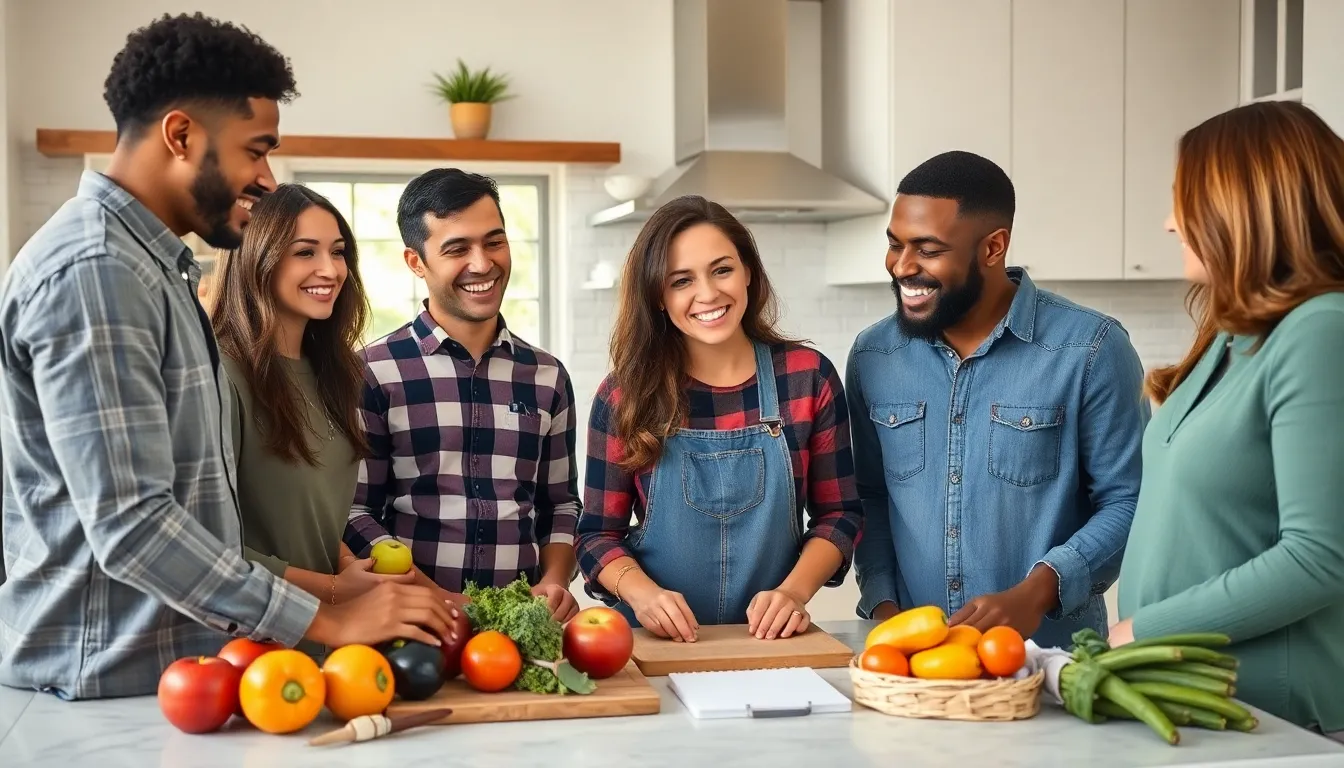
Effective planning enhances the ability to create budget-friendly meals. Simple strategies can lead to significant savings while ensuring nutritious and tasty options.
Meal Planning Strategies
- Create a Weekly Menu: Drafting a weekly menu eliminates last-minute decisions. Include breakfast, lunch, dinner, and snacks to minimize impulsive purchases.
- Use Seasonal Ingredients: Selecting seasonal produce enhances flavor and reduces costs. Seasonal fruits and vegetables typically offer better prices and quality.
- Incorporate Leftovers: Plan meals that utilize leftovers creatively. For example, use leftover roasted chicken in a salad or soup to reduce food waste and save money.
- Make a Shopping List: A well-defined shopping list keeps focus during grocery trips. Stick to the list to avoid impulse buys that inflate total expenses.
- Cook in Batches: Preparing large quantities of meals maximizes time and resources. Portion out meals for the week and freeze extras for convenient future meals.
Shopping on a Budget
- Compare Prices: Analyze different stores for the best prices on items. Use unit pricing to determine the most economical purchases.
- Buy Store Brands: Store-brand products often cost less than national brands. Quality may be comparable, making them a smart budget choice.
- Utilize Coupons and Discounts: Take advantage of coupons and sales to save on groceries. Digital coupons and loyalty programs often provide additional savings.
- Stick to the Perimeter: Focus shopping around the store’s perimeter, where fresh produce, meats, and dairy typically reside. Processed foods often exist in the aisles and can increase grocery costs.
- Purchase Dry Goods in Bulk: Stocking up on staples like rice, beans, or pasta in bulk can lead to substantial savings. Buying in larger quantities often reduces the price per unit.
Recipe Ideas for Budget Friendly Meals
This section offers a variety of recipe ideas that fit budget-friendly meal planning. These recipes utilize simple ingredients and emphasize affordability without sacrificing flavor.
Breakfast Options
- Oatmeal with Fruits: Combine rolled oats with seasonal fruits like bananas or berries for a nutritious start. Use water or milk to cook the oats, adding spices like cinnamon for flavor.
- Egg and Vegetable Scramble: Sauté eggs with chopped vegetables such as spinach, bell peppers, and onions. Serve with whole-grain toast for a filling meal.
- Smoothie Bowl: Blend frozen fruits with yogurt or milk. Top with granola and nuts for added texture and nutrients.
Lunch Choices
- Chickpea Salad: Mix canned chickpeas with diced tomatoes, cucumbers, and a simple vinaigrette. This high-protein salad is refreshing and quick to prepare.
- Vegetable Soup: Utilize leftover vegetables and broth to create a hearty soup. Add herbs and spices for enhanced flavor.
- Quinoa and Black Bean Bowl: Cook quinoa and mix with black beans, corn, and avocado. Season with lime juice for a zesty meal.
Dinner Recipes
- Stir-Fried Rice: Use leftover grains with mixed vegetables and a protein source like eggs or tofu. Soy sauce adds flavor and ties the dish together.
- Pasta Primavera: Toss cooked pasta with sautéed seasonal vegetables and garlic. Drizzle olive oil and sprinkle Parmesan cheese for a satisfying dinner.
- Stuffed Peppers: Hollow bell peppers, fill them with a mixture of rice, beans, and diced tomatoes. Bake until peppers are tender for a comforting option.
Storing and Preserving Budget Friendly Meals
Storing and preserving budget-friendly meals extends their shelf life and maintains food quality. Implementing effective freezing techniques and proper storage methods maximizes savings and minimizes waste.
Freezing Techniques
Freezing maintains the freshness of cooked meals and raw ingredients. Follow these techniques:
- Use Airtight Containers: Store foods in airtight containers or freezer bags to prevent freezer burn.
- Label and Date: Clearly label each container with the meal name and freezing date to track freshness.
- Cool Before Freezing: Always cool meals to room temperature before freezing to preserve texture and flavor.
- Freeze in Portions: Divide meals into portions for easy reheating and minimized waste.
- Avoid Freezing Certain Foods: Avoid freezing items with high water content, such as lettuce and cucumbers, as they lose texture.
Proper Storage Tips
- Refrigerate Promptly: Place cooked meals in the refrigerator within two hours to prevent bacterial growth.
- Use Glass or BPA-Free Containers: Opt for glass or BPA-free plastic containers for safe storage and easier reheating.
- Store in Cool Areas: Keep the pantry cool and dry, ideally below 70°F (21°C), to maintain the quality of canned and dry goods.
- Practice FIFO: Use the First In, First Out (FIFO) method by placing newer items behind older ones to ensure older stock is used first.
- Monitor Expiration Dates: Regularly check expiration dates on food items, discarding anything that’s past its prime for safety and freshness.